
What is the difference between a dry cell and a battery?
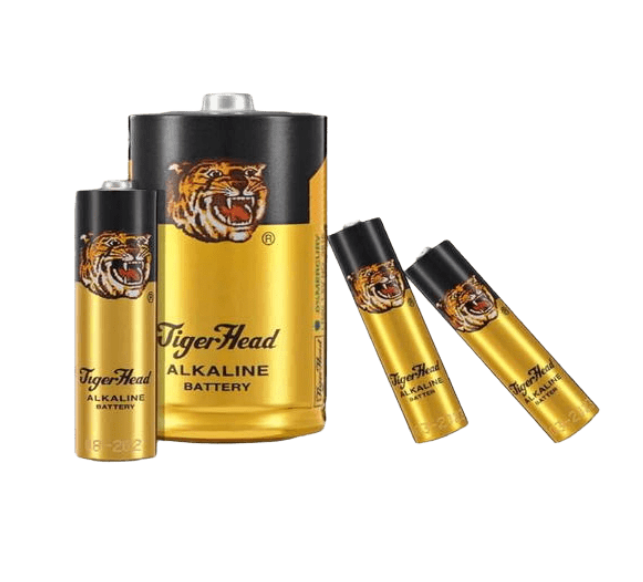
In daily life, we frequently use various power sources: small batteries in remote controls, car starter batteries, UPS batteries in emergency lights, etc. However, many people are unclear about what categories these power sources belong to, especially the difference between "dry cell" and the broader term "battery."
This article will focus on core questions such as "what is a dry cell," "wet cell battery vs. dry battery," and will analyze the basic concepts and categories of batteries in detail, combining practical industry applications and brand examples, such as the product structure and application characteristics of Tiger Head Battery/Tiger Head Dry Cell.
What is a Battery?
At the broadest level, a "battery" is a device that converts chemical energy into electrical energy. Whether it's a cylindrical AA battery or a car starter battery, they all fall under the category of batteries.
Therefore, "battery" is a general term that includes many different types of chemical systems and structural designs: such as dry cells, wet cell batteries, rechargeable batteries (such as lithium batteries, nickel-metal hydride batteries, etc.).
This means that saying "battery" is not specific, but encompasses all energy devices that produce current through chemical reactions.
What is a Dry Cell Battery?
A dry cell battery is a battery that uses a paste-like or solid electrolyte. Its electrolyte does not contain flowing liquid, or only contains a small amount of electrolyte absorbed in a carrier. This design allows dry cells to:
- Be used freely in any orientation without liquid electrolyte;
- Be safer and easier to carry;
- Have significant advantages in portable devices.
Typical dry cells are available in common sizes such as AA, AAA, C, and D, and are produced in different chemical systems, most commonly alkaline and carbon-zinc, by manufacturers such as Tiger Head Dry Cell.
People sometimes use the term "dry cells" to refer generally to these maintenance-free, ready-to-use batteries.
What is a Wet Cell Battery?
In contrast to dry cells, wet cell batteries use a liquid electrolyte. These batteries usually require a conductive solution of electrolyte (such as sulfuric acid) and must maintain a liquid state during use. Classic examples of wet cells include:
Traditional lead-acid batteries (such as common car starter batteries)
Some large energy storage power sources (such as early UPS systems and backup batteries)
Wet cells typically have a visible, flowing liquid electrolyte, therefore they require higher safety precautions during transportation and installation. This is in stark contrast to dry cells, which have "no obvious liquid structure."
Dry Cell vs. Wet Cell Batteries
To better understand the difference between "dry cell battery" and "wet cell battery," a common comparison table is provided below:
|
Comparison Factor |
Dry Cell Battery |
Wet Cell Battery |
|
Electrolyte Form |
Paste or solid electrolyte |
Liquid electrolyte |
|
Leakage Risk |
Very low |
Higher risk of leakage |
|
Maintenance Required |
Maintenance-free |
Requires regular maintenance |
|
Installation Position |
Any orientation |
Must remain upright |
|
Portability |
Highly portable |
Limited portability |
|
Safety Level |
High |
Moderate |
|
Typical Voltage |
Low to medium |
Medium to high |
|
Common Applications |
Remote controls, toys, flashlights, clocks |
Automotive batteries, UPS systems |
|
Examples |
AA, AAA, alkaline batteries |
Lead-acid batteries |
|
Market Category |
Consumer dry cells |
Industrial / automotive batteries |
As can be seen from the table above, in ordinary household appliances, we almost exclusively use dry cells, while wet batteries are more commonly used in high-energy demand scenarios. This means that dry batteries offer a more convenient and safer way to use them, which is one of the reasons for their widespread adoption.
Advantages of Dry Cells
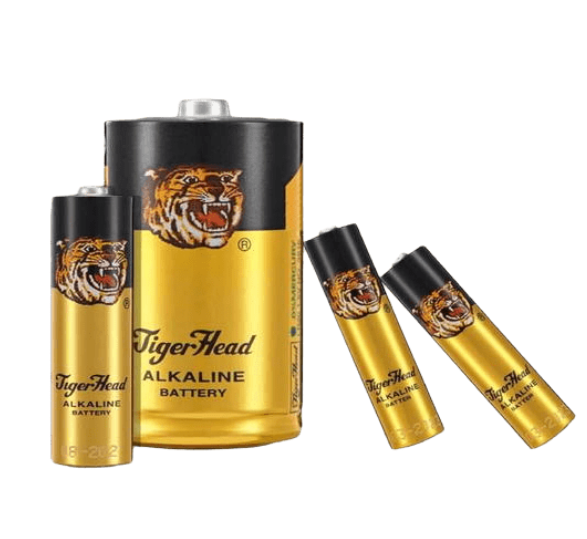
Compared to wet batteries, dry cells have many significant advantages:
High safety – Dry batteries are less prone to electrolyte leakage, making them more suitable for small devices.
Maintenance-free – No need to add water or replenish liquid, making them convenient to use.
High portability – Suitable for portable devices such as remote controls, lamps, toys, and electronic scales.
Stable service life – High-quality dry batteries have advantages in self-discharge rate and storage stability.
Wide global compatibility – Different models of dry batteries (e.g., AA, AAA, C, D) are widely available on the market.
This is why professional battery manufacturers like Tiger Head Battery have focused on dry cell research and development and supply for many years, and hold a significant share in the global dry battery market.
Common Types of Dry Cells
Based on chemical composition and technology, the main types of dry batteries include:
1. Alkaline Dry Cell
This common type of dry battery uses a zinc-manganese dioxide system, featuring high capacity and low self-discharge, and is the most popular type of dry battery on the market, especially suitable for high-current devices.
2. Carbon Zinc Battery
Although its capacity is slightly lower than alkaline dry batteries, its cost is lower and its performance is stable, making it very suitable for low-energy consumption devices.
3. Button Batteries and Small Batteries
These types of dry batteries are widely used in small devices such as watches, calculators, and key fobs.
In practice, the term "dry cells" usually includes all the batteries mentioned above that do not rely on liquid electrolytes.
Liquid Battery vs. Dry Battery: Application Recommendations for Different Scenarios
When choosing a battery type, we usually determine it based on application needs:
|
Feature |
Dry Battery |
Liquid Battery |
|
Electrolyte State |
Non-flowing (gel or paste) |
Free-flowing liquid |
|
Ease of Use |
Plug-and-play |
Requires handling precautions |
|
Storage Stability |
Excellent shelf life |
Limited shelf life once activated |
|
Weight |
Lightweight |
Heavier |
|
Energy Density |
Moderate |
High |
|
Cost Efficiency |
High for consumer devices |
Higher long-term cost |
|
Typical Users |
Household consumers |
Automotive & industrial users |
|
Popular Battery Types |
Alkaline, carbon zinc |
Lead-acid |
|
Brand Example |
Tiger Head Dry Cell |
Traditional wet lead-acid brands |
In short, dry cells are suitable for conventional portable applications, while wet cell batteries are more suitable for scenarios requiring high energy input or large current output.
Tiger Head Battery and its Dry Cell Battery Expertise
As a long-standing leading manufacturer in the Chinese battery industry, Tiger Head Battery boasts nearly a century of manufacturing experience in the dry cell battery field. The company's products include:
- Alkaline dry cell batteries (including various specifications such as AA, AAA, C, D, etc.)
- Carbon-zinc dry cell batteries (for economical use)
- Various button batteries/small dry cell batteries
Tiger Head's products not only maintain a leading position in the domestic market but are also exported to over 90 countries worldwide, becoming the preferred energy solution for many channels and retailers.
For example, its series of dry cell batteries are displayed on the product category page as:
- A+ Alkaline Battery (Premium Alkaline Dry Cell Battery)
- Super Alkaline Battery (High-Performance Alkaline Battery)
- G Alkaline Batteries (General Purpose Dry Cell Batteries)
These dry cell batteries not only have stable output performance but also meet environmental standards, making them typical high-quality dry cell products.
How to Choose Dry Cell Batteries? User and Distributor Guide
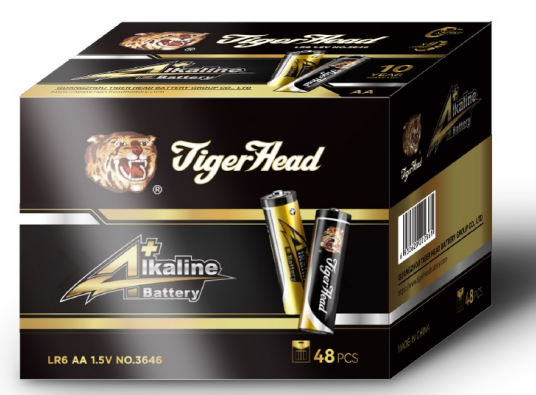
When purchasing dry cell batteries on the market, it is recommended to consider the following factors:
1. Current requirements of the device
For high-power devices (such as digital cameras, children's electric toys), high-quality alkaline dry cell batteries are more suitable.
2. Brand and quality
Choosing dry cell battery brands with a long history and international certifications, such as Tiger Head Battery, can effectively reduce the risk of leakage and premature failure.
3. Packaging and storage requirements
Dry cell batteries are usually maintenance-free, but care should still be taken to avoid extreme temperatures when storing them in humid environments.
Conclusion: Understanding the Essential Differences Between Dry Cell Batteries and Batteries
In general, battery is a general term that includes all types of electrochemical energy devices.
Dry Cell Battery is an important subclass of batteries, characterized by a solid or paste electrolyte, offering high safety, portability, and a wide range of applications.
In daily life, most portable power products we encounter are dry cells, not wet cell batteries with liquid electrolytes.
High-quality dry cell batteries like Tiger Head Dry Cell, with their stable performance and mature technology system, provide reliable power solutions for consumers and distributors worldwide.


