
Top 10 FAQs About Carbon Zinc Batteries
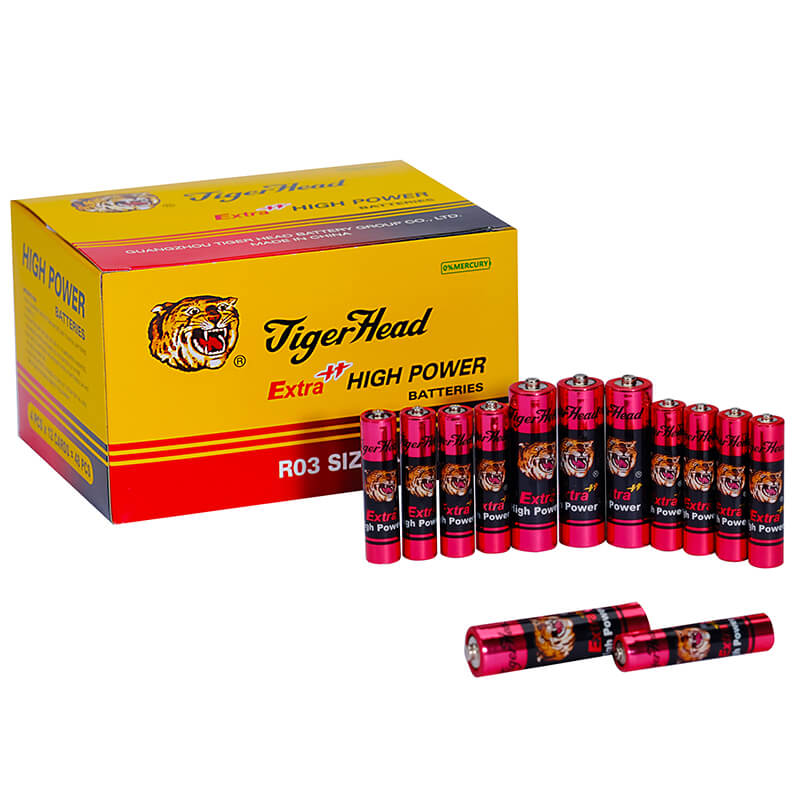
Why are there still so many questions about carbon zinc batteries? With the rapid development of lithium batteries and charging technology, many might think that traditional dry cell batteries have become obsolete. However, the data tells a different story: carbon zinc batteries still hold a significant market share in the global battery market, especially in Africa, the Middle East, and Southeast Asia. Despite this, misconceptions surrounding them persist. As a battery manufacturing expert with nearly a century of history, Tiger Head frequently receives inquiries from consumers and distributors worldwide: "Have carbon zinc batteries been phased out?", "How do I choose between carbon zinc and alkaline batteries?", "What is their shelf life?" To address these concerns and help you make more informed purchasing and usage decisions, we have compiled this Top 10 FAQ. Whether you are a home user looking for a cost-effective power source or a buyer seeking a reliable supplier, this article will systematically answer your core questions about carbon zinc batteries.
FAQ 1: What is a carbon zinc battery?
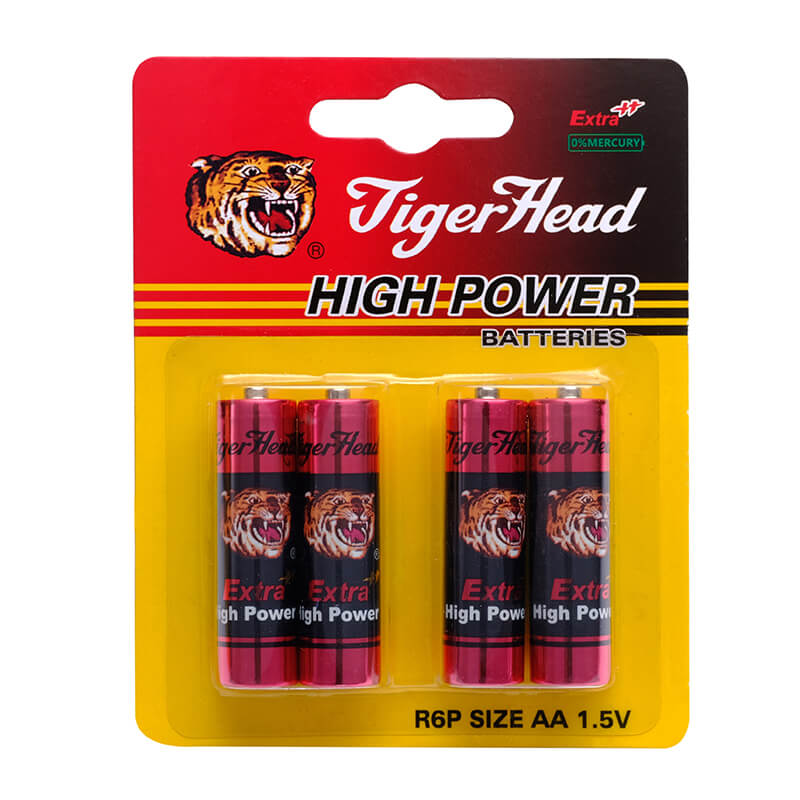
This is the most basic question. A carbon zinc battery, often referred to as a "carbon battery" or "zinc-carbon battery" in Chinese, is a primary battery that uses zinc as the negative electrode, manganese dioxide as the positive electrode, and an aqueous solution of ammonium chloride or zinc chloride as the electrolyte. Many users will find the term "zinc carbon battery" when searching. In fact, "zinc carbon battery" and "carbon zinc battery" refer to exactly the same product, just with different English word order conventions. The history of this battery can be traced back to the Leclanché cell of the 19th century, the world's first widely commercialized dry cell battery. Its core characteristics are: Simple structure: Mature technology and low manufacturing cost. Economical: It is currently the most affordable disposable battery on the market. Ready to use: No charging required, voltage is available immediately upon unpacking.
FAQ 2: What is the difference between Carbon Zinc Batteries and Alkaline Batteries?
This is the most confusing part for users. Although they look similar (usually AA or AAA size), their internal chemical reactions are completely different. Understanding the difference between carbon zinc and alkaline batteries is key to choosing the right battery. Simply put, alkaline batteries use potassium hydroxide as the electrolyte, which has a higher density and more power; while carbon zinc batteries use acidic or neutral salts as the electrolyte. To give you a clear overview, we have created the following comparison table:
Table 1: Comparison - Carbon Zinc vs Alkaline Batteries
|
Feature |
Carbon Zinc Battery |
Alkaline Battery |
|
Electrolyte |
Ammonium Chloride / Zinc Chloride |
Potassium Hydroxide |
|
Energy Density |
Low to Medium |
High |
|
Performance |
Best for low-drain devices |
Best for high-drain devices |
|
Cost |
Very Economical |
More Expensive |
|
Weight |
Lighter |
Heavier |
|
Ideal For |
Clocks, Remote Controls, Radios |
Digital Cameras, Toys with Motors |
As you can see from the table above, the comparison between carbon zinc and alkaline batteries is not simply a matter of "good or bad," but rather a matter of "suitable applications." For low-power devices, carbon zinc batteries offer superior cost-effectiveness compared to alkaline batteries.
FAQ 3: What devices are suitable for Carbon Zinc Batteries?
Since there are performance differences, where is the best place for carbon zinc batteries? The answer is: low-power, continuous low-current discharge, and other intermittently used devices. In our daily lives, these types of devices actually make up a significant portion of our electronics.
For example: Wall clocks and alarm clocks: These devices require very little current, and a single carbon zinc battery can often last for six months or even a year. TV and air conditioner remote controls: Intermittent signal transmission, no need for continuous strong current. Flashlights (non-high-intensity tactical type): Traditional household lighting tools. Simple calculators and radios. In these scenarios, using expensive alkaline batteries is often overkill, while carbon zinc batteries provide the perfect economic balance.
FAQ 4: What is the shelf life of a Zinc Carbon Battery?
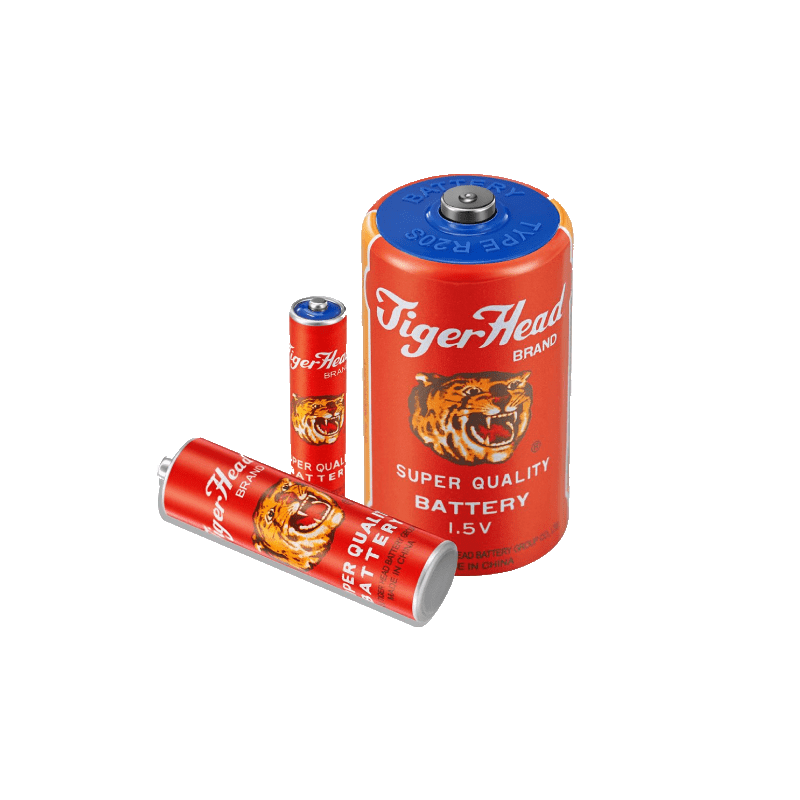
For distributors and household storage, the shelf life of a zinc carbon battery is a crucial indicator. Typically, standard carbon zinc batteries have a shelf life of 18 months to 3 years. This is shorter than the 5-10 years of alkaline batteries, mainly because the internal zinc casing, which acts as the negative electrode container, is slowly consumed by chemical reactions, and the electrolyte is prone to drying out over time. Key factors affecting zinc carbon battery shelf life include:
Sealing technology: High-quality brands like Tiger Head use advanced sealing structures that effectively lock in moisture and extend shelf life.
Storage environment: High temperature and high humidity are battery killers.
Manufacturing process: The purity of raw materials determines the rate of self-discharge.
Expert advice: When purchasing, please check the production date or expiration date at the bottom of the battery and store it in a cool, dry place to maximize the expected shelf life of the zinc carbon battery.
FAQ 5: Have Carbon Zinc Batteries been phased out?
Absolutely not. Although high-end electronic products tend to use lithium batteries, carbon-zinc batteries still have a huge market share globally.
This is mainly due to two points:
Cost advantage: In many developing countries and regions, where price sensitivity is high, carbon-zinc batteries are the preferred choice for portable energy in households.
Device compatibility: As long as there are remote controls and wall clocks in the world, carbon-zinc batteries will have a reason to exist. It can be said that they haven't been eliminated, but rather their market positioning has become more precise.
FAQ 6: Carbon Zinc vs. Alkaline, which is better for everyday use?
In the choice between carbon zinc and alkaline batteries, many consumers easily fall into the misconception that "the more expensive, the better."
Scenario 1: You bought a child's electric four-wheel drive car. In this case, be sure to choose alkaline batteries. Because the motor requires a large current at the moment of rotation, carbon-zinc batteries may cause the car to not run, resulting in a very poor experience.
Scenario 2: You need to replace the battery in your wall clock. In this case, a carbon-zinc battery is a better choice. Some repair technicians even point out that some precision quartz clock movements, if using alkaline batteries with too strong a current, may be damaged or become inaccurate due to the instantaneous voltage surge.
In daily use, the smartest strategy is to "mix and match." Use alkaline batteries for high-energy consumption devices and carbon-zinc batteries for low-energy consumption devices, which is both economical and environmentally friendly.
FAQ 7: Are carbon-zinc batteries safe? Will they leak?
This is the most worrying question for consumers. All dry batteries have a risk of leakage under certain conditions, but reputable brands of carbon-zinc batteries are very safe. Leakage usually occurs in the following situations: the battery is left in the device for a long time after the power is exhausted; the battery casing is physically damaged; or inferior, off-brand batteries are used (with thin zinc casings). To prevent leakage, Tiger Head uses thickened zinc cylinders and leak-proof sealing technology. As long as you develop the good habit of "removing batteries when the device is not in use for a long time," safety is completely guaranteed.
FAQ 8: Why do many distributors still choose Tiger Head Carbon Zinc Batteries?
In the global battery trade, Tiger Head carbon-zinc batteries are a resounding golden brand. Why?
Brand heritage: Founded in 1928, we have incorporated nearly a century of manufacturing experience into every battery.
Stable Performance: Compared to products on the market that cut corners, Tiger Head guarantees sufficient chemical raw material filling, resulting in longer discharge time.
Leak-Proof Design: The leak-proof structure has been optimized for tropical climates (such as Africa and Southeast Asia), providing stronger high-temperature resistance.
Excellent Value for Money: While ensuring quality, we provide global distributors with highly competitive pricing.
For businesses seeking repeat customers, Tiger Head carbon zinc batteries represent "hassle-free after-sales service" and "continuous repeat purchases."
FAQ 9: Are Carbon Zinc Batteries suitable for wholesale and retail channels?
From a business perspective, carbon zinc batteries are an excellent "cash cow" product.
High-Frequency Demand: It is a fast-moving consumer good (FMCG), consumed quickly by households, with a very high repurchase rate.
Strong Market Penetration: It is an essential SKU in large supermarkets, convenience stores, and hardware stores.
Fast Capital Turnover: Due to the low unit price, wholesalers have relatively low inventory pressure.
For distributors in emerging markets, carbon zinc batteries often serve as a stepping stone to enter the market and can drive sales of other high-end products.
FAQ 10: Is there still market potential for Carbon Zinc Batteries in the future?
With the development of the Internet of Things (IoT), the future battery market will show a layered trend. Although high-performance devices are shifting to lithium batteries, the demand for low-power sensors and smart home accessories is exploding. We predict that carbon zinc batteries will continue to coexist with alkaline batteries for a long time. The following is a market segmentation forecast:
Table 2: Future Market Suitability Guide
|
Device Category |
Power Requirement |
Recommended Battery Type |
Future Trend |
|
IoT Sensors |
Ultra-Low Drain |
Carbon Zinc / Lithium Coin |
Stable Demand |
|
Standard Remotes |
Low Drain |
Carbon Zinc |
High Volume Demand |
|
Smart Door Locks |
High Pulse |
Alkaline / Lithium |
Growing Market |
|
Basic Toys |
Medium Drain |
Alkaline |
Steady Demand |
|
Emergency Lights |
Low Drain / Standby |
Carbon Zinc |
Consistent Need |
The table clearly shows that the dominant position of carbon zinc batteries in the "Ultra-Low Drain" and "Low Drain" fields will not only remain unshaken but may even be revitalized with the popularization of smart home sensors.
Conclusion
Understanding Carbon Zinc Batteries correctly is key to using them effectively. Through these Top 10 FAQs, we hope to help you break down stereotypes about traditional batteries. Carbon zinc batteries are not outdated technology; they are a mature, economical, and irreplaceable energy solution in specific areas.
For consumers: It is the most rational choice for devices such as remote controls and alarm clocks.
For distributors: Focusing on zinc carbon battery shelf life and brand quality is key to winning the market. As a leading brand in the Chinese battery industry, Tiger Head Carbon Zinc Battery will continue to dedicate itself to technological upgrades, providing global users with more durable, environmentally friendly, and safer power solutions. Are you looking for a reliable battery supplier? Whether it's classic carbon-zinc batteries or high-performance alkaline batteries, Tiger Head can provide you with customized export solutions. Visit our official website product page today and start your energy business journey!


