
Tips to Store Alkaline Batteries and Extend Their Shelf Life
In the alkaline battery and dry cell manufacturing industry, proper storage practices help maintain product performance for end users. This article explains alkaline battery basics and shares practical storage guidance based on standard industry approaches.
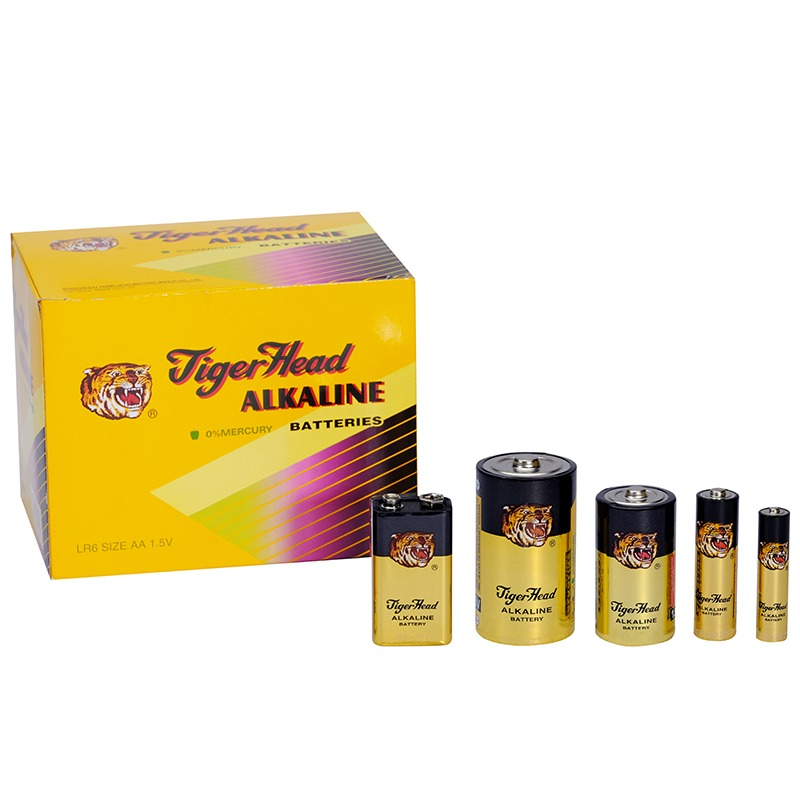
What Is an Alkaline Battery? Understanding Its Chemistry and Applications?
What Is an Alkaline Battery and How Does It Work?
An alkaline battery is a type of primary dry cell battery commonly used in household electronics. The alkaline battery meaning refers to its use of an alkaline electrolyte, typically potassium hydroxide, which supports the chemical reactions inside.
In a standard alkaline battery, the zinc anode reacts with the manganese dioxide cathode through the alkaline electrolyte. This setup allows the battery to deliver steady power for devices such as remote controls, flashlights, toys, and clocks.
How Does a Dry Cell Work?
A dry cell converts chemical energy into electrical energy through an electrochemical reaction. The paste-like electrolyte inside prevents leakage while enabling ion flow between the anode and cathode. When the circuit closes, electrons move from the anode to the cathode, producing usable current. This process powers everyday devices without the need for liquid electrolytes found in older designs.
Difference Between Dry Cell and Rechargeable Battery
Dry cells and rechargeable batteries serve different needs. Here is a comparison:
|
Feature |
Dry Cell Battery |
Rechargeable Battery |
|
Rechargeability |
No |
Yes |
|
Usage |
Disposable devices |
Repeated use |
|
Shelf life |
Longer storage |
Depends on charging cycles |
|
Cost |
Lower initial cost |
Higher initial cost |
Dry cells are suitable for low-drain or occasional-use applications, while rechargeable options fit high-cycle needs. Understanding these differences helps users select the right type for their devices.
Why Proper Alkaline Battery Storage Matters?
Temperature, humidity, and handling affect how long alkaline batteries retain their capacity. Unused batteries can experience gradual self-discharge over time. Leakage may occur if storage conditions allow electrolyte movement or if terminals contact other metals. Storing batteries together without separation can lead to short circuits in some cases.
Many users ask questions such as how long AA batteries can sit unused or why leakage happens during storage. Following consistent practices reduces these risks and supports reliable performance when the batteries are needed.
Factors That Affect Alkaline Battery Shelf Life
Several environmental factors influence shelf life:
- Temperature: Extreme heat accelerates chemical reactions and capacity loss. Room temperature storage is generally suitable.
- Humidity: Moisture can promote corrosion on terminals or compromise packaging seals.
- Direct sunlight: Exposure to sunlight raises temperature and may degrade materials.
- Metal contact: Contact with keys, coins, or tools can cause short circuits.
- Original packaging condition: Intact packaging helps maintain separation and protection
How to Store Alkaline Batteries Correctly?
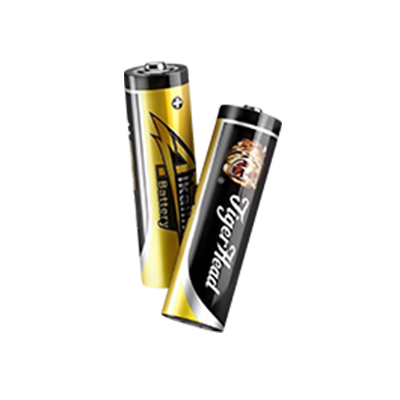
Storage of alkaline batteries requires attention to environment, packaging, and organization.
Keep Batteries in a Cool and Dry Environment
Store batteries at room temperature and away from heat sources such as radiators or direct sunlight. Avoid areas with high moisture, like bathrooms or basements. A consistent, moderate environment helps slow natural self-discharge.
Keep Batteries in Their Original Packaging
Original packaging prevents short circuits by keeping terminals covered and separated. It also protects against dust and physical damage. Keep batteries in their blister packs or boxes until use whenever possible.
Store Batteries Separately From Metal Objects
Avoid placing batteries near keys, coins, or tools. External contact between terminals and metal objects may lead to overheating, power loss, or leakage. Use dedicated storage containers or drawers for batteries only.
Organize Batteries According to Battery Type and Date
Group batteries by type and manufacturing date. Use older batteries first to minimize capacity loss in long-stored units. Avoid mixing old and new batteries or different brands in the same device, as performance variations can affect operation.
How to Store Different Types of Tiger Head Alkaline Batteries?
Tiger Head Battery maintains manufacturing capabilities with automated production lines for various alkaline batteries. The facilities support integrated processes from raw materials to assembly.
Storage Tips for Super Alkaline Batteries
Super Alkaline Batteries suit higher-demand devices. Follow the same cool and dry storage guidelines. Pay attention to packaging integrity for longer-term storage to preserve capacity.
Storage Tips for A+ Alkaline Batteries
A+ Alkaline Batteries are used in household electronics. Store them in cool, dry conditions within original packaging. This approach supports consistent performance in low to moderate drain devices.
Storage Tips for G Alkaline Batteries
G Alkaline Batteries serve everyday consumer applications. Keep them organized by date and separated from metals. Room temperature storage in original packaging helps maintain readiness for use.
Signs Your Batteries Are Not Properly Stored
Common Signs of Battery Damage
Watch for these indicators:
- Leakage of electrolyte
- Rust or corrosion on terminals
- Swollen battery casing
- Reduced performance in devices
- Visible expiration date passed
If these appear, handle the batteries carefully and dispose of them according to local rules.
How to Dispose of Expired or Damaged Batteries Safely?
Do not throw damaged batteries into fire. Follow local recycling regulations for proper collection points. Separate damaged batteries from others during storage before disposal to avoid reactions.
FAQs About Alkaline Battery Storage
Q1: How Long Can Alkaline Batteries Be Stored?
A: Shelf life varies with conditions, but cool and dry storage helps preserve capacity over extended periods.
Q2: Do Alkaline Batteries Expire?
A: Yes, they have a finite shelf life due to gradual self-discharge, even when unused.
Q3: Can You Store Batteries in the Refrigerator?
A: Refrigeration is not recommended for alkaline batteries, as condensation from temperature changes may introduce moisture.
Q4: What Happens If Batteries Are Stored for Too Long?
A: Extended storage beyond recommended periods can result in reduced capacity or leakage.
Q5: Can Different Battery Types Be Stored Together?
A: It is better to store them separately by type and brand to prevent mixing during use and to maintain organization.


