
Lithium vs Alkaline Batteries & What’s the Real Difference?
In today’s technology-driven world, batteries are essential for the proper functioning of various devices, yet selecting the right type is not always straightforward.
Lithium and alkaline batteries are the most common choices; each offers unique characteristics suited to different needs and applications.
Whether powering everyday household appliances or high-performance electronic devices, understanding the differences between these two battery types can significantly impact device efficiency and longevity. This guide explores the characteristics of lithium batteries and analyzes their advantages over alkaline batteries, helping you make informed purchasing decisions based on your personal or business requirements.
Lithium and Alkaline Batteries: What’s the Difference?
Lithium and Alkaline Batteries Difference in Chemistry
The primary lithium and alkaline batteries difference lies in their internal active materials and discharge behavior:
|
Feature |
Alkaline Battery |
Primary Lithium Battery |
|
Anode/Cathode |
Zinc powder (Zn) / Manganese Dioxide (MnO2) |
Metallic Lithium (Li) / Iron Disulfide (FeS2) |
|
Electrolyte |
Aqueous Potassium Hydroxide (KOH) |
Non-aqueous organic solvent |
|
Nominal Cell Voltage |
1.5V |
1.5V (Primary Li/FeS2) or 3.0V (Li/MnO2) |
|
Discharge Curve |
Slanted (steady linear voltage drop) |
Flat (sustains nominal voltage until near depletion) |
|
Internal Resistance |
Moderate |
Very Low |
How to Tell the Difference Between Alkaline and Lithium Batteries?
IEC Markings: Alkaline units list designations such as "LR6" (AA) or "LR03" (AAA). Primary lithium units state "FR6" (AA), "FR03" (AAA), or "CR" / "ER" series codes.
Voltage Rating: Disposable primary AA/AAA cells state 1.5V for both chemistries, whereas cylindrical lithium cells or coin formats display 3.0V or 3.6V.
Physical Weight: Metallic lithium is exceptionally light; primary lithium AA cells weigh roughly one-third less than equivalent alkaline cells.
Package Labeling: Manufacturers explicitly label products as "Alkaline" or "Lithium" along with distinct safety warnings.
Are AA Batteries Lithium or Alkaline?
"AA" designates standard physical dimensions (roughly 50.5 mm / times 14.5 mm) rather than chemical composition. Common AA chemistries include:
Alkaline (LR6): 1.5V primary cell standard for everyday household items.
Carbon Zinc (R6): 1.5V low-cost primary dry battery for light-drain devices.
Primary Lithium (FR6): 1.5V high-performance primary cell for extreme environments.
NiMH (HR6): 1.2V rechargeable cell for repeated home usage.
Lithium-Ion (14500): 3.7V nominal secondary rechargeable cell (requires device voltage compatibility).
Lithium vs Alkaline Batteries Life: How Long Do They Last?
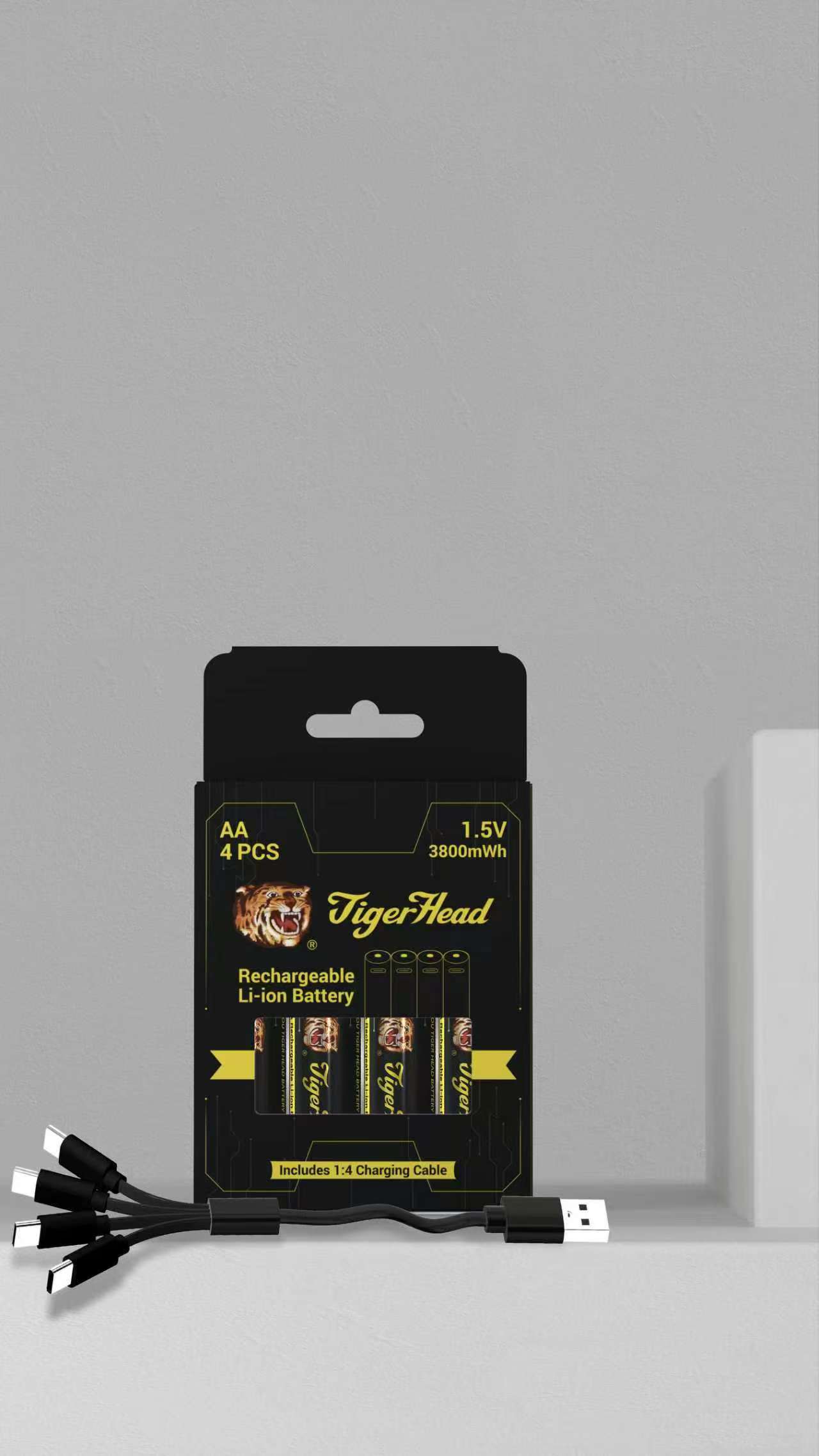
Lithium vs Alkaline Batteries: Device Runtime and Shelf Storage
In the lithium vs alkaline batteries life comparison, runtime depends on power draw:
Low-Drain: In wall clocks and TV remotes, alkaline batteries offer cost-effective multi-year service.
High-Drain: In motorized toys and high-lumen flashlights, primary lithium batteries sustain operating voltage much longer under load.
Regarding lithium battery life time and shelf storage, primary lithium cells feature self-discharge rates under 1% per year, enabling a 10-to-20-year shelf life. Alkaline cells lose 2% to 3% capacity annually (5-to-10-year shelf life), while rechargeable lithium-ion cells require periodic maintenance charging during storage.
Lithium vs Alkaline Batteries in Cold Weather
Cold environments increase internal electrolyte viscosity, raising resistance and causing voltage drops.
Evaluating lithium vs alkaline batteries in cold weather highlights a clear advantage: primary lithium cells use non-aqueous organic electrolytes that operate reliably from -40℃ to 60℃. Alkaline cells suffer sharp drop-offs below -10℃, making primary lithium ideal for outdoor cameras and winter sensors.
Battery Selection for Everyday Devices and Flashlights
When choosing lithium vs alkaline batteries for flashlights and household electronics:
Tactical & Cold-Weather Flashlights: Primary lithium AA/AAA cells deliver lightweight, constant brightness.
Daily Industrial Flashlights: A rechargeable lithium ion power battery reduces long-term cost per cycle.
Remotes, Clocks, & Toys: Alkaline or zinc dry battery options deliver economical power for lower-drain demands.
What Is the Difference Between Lithium and Lithium-Ion Batteries?
Primary lithium batteries are single-use cells containing metallic lithium. Rechargeable lithium-ion cells move ions between electrodes without free metallic lithium.
Lithium ion power battery applications include power tools, UPS systems, and energy storage arrays. Recharging requires strict management: the correct charge voltage for lithium ion battery single cells (NMC/LiCoO2) is 4.20V±0.05V using CC/CV profiles. Never attempt to charge primary disposable batteries.
How to Choose the Right Battery Type?
Power Demand: Match low-drain devices with zinc or alkaline cells; use primary lithium or lithium-ion for high-drain loads.
Environment: Choose primary lithium for sub-zero temperatures or multi-year standby.
Form Factor: Match AA, AAA, or cylindrical sizes to device electrical ratings.
Sourcing and Manufacturing: Dry Battery to Alkaline Systems
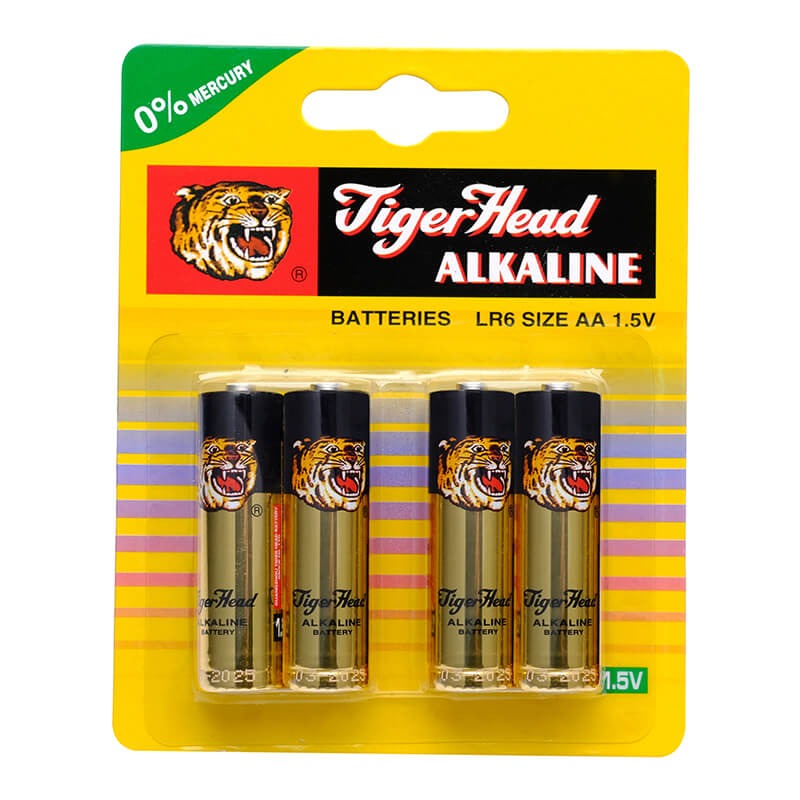
Understanding the broader battery market allows buyers to balance cost and performance. Key sourcing considerations include:
Alkaline Batteries Supplier: Look for anti-leak seals and consistent discharge lots.
Alkaline Battery Manufacturer in China: Evaluate automated production capacity, eco-friendly (mercury-free) formulations, and certifications (ISO9001, CE, RoHS, MSDS).
AA / AAA Battery Manufacturer Capabilities: Ensure precise dimensional tolerances and automated discharge testing across high-volume production.
Tiger Head Battery: Multi-Chemistry Manufacturing
Operating from Guangzhou, China, Tiger Head Battery Co., Ltd. has manufactured batteries since 1928.
Tiger Head produces carbon-zinc dry batteries, mercury-free alkaline series, button cells, and secondary energy systems under global brands like "Tiger Head", "555", and "Hi-Watt". The company provides international buyers with complete OEM/ODM capabilities, leak-resistant cell designs, and full compliance with global export standards.
FAQs
Q1: Does it matter if I use lithium or alkaline batteries?
A: Yes. Using alkaline in high-drain or freezing settings reduces performance, while using lithium in basic remotes adds unnecessary cost.
Q2: Can I use regular AA batteries instead of lithium?
A: Yes, in standard 1.5V devices, though runtime in high-drain gear will be shorter.
Q3: Can I replace AA alkaline batteries with lithium?
A: Yes, provided you use 1.5V primary lithium cells (FR6), not 3.7V Li-ion cells.
Q4: What is the biggest disadvantage of a lithium-ion battery?
A: They require dedicated protection circuitry and battery management systems (BMS) to enforce precise charge voltages.
Q5: Are AA batteries lithium or alkaline?
A: AA is a physical size. AA cells exist in alkaline, zinc-carbon, primary lithium, and rechargeable chemistries.
Q6: Can lithium and alkaline batteries be used in the same device?
A: No. Never mix chemistries or brands, as unequal discharge causes leakage or device damage.


