
How long do solar batteries last for solar panels in 2026
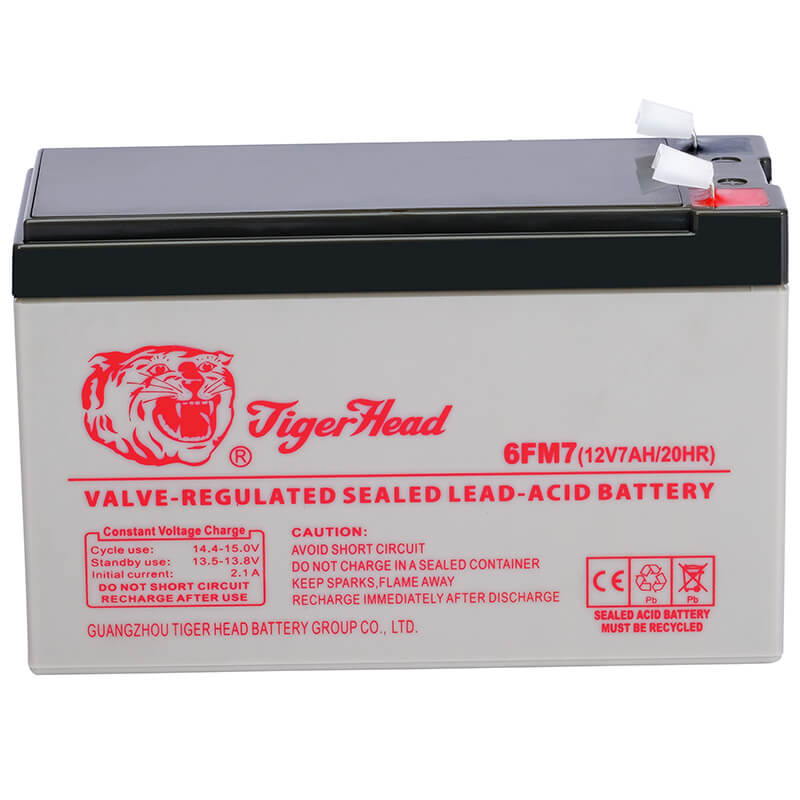
With the ever-increasing global demand for renewable energy, solar energy has become a crucial component in driving a green future. solar battery, as a core element of energy storage systems, not only determine the stability of nighttime power supply from photovoltaic systems but also directly impact the overall lifespan and return on investment.
So, how long will different types of solar battery last by 2026?
Why do some batteries degrade after only 3 years, while others can operate stably for over 10 years?
Which type is more worthwhile for residential and commercial users to invest in upgrading?
Tiger Head Battery, a globally renowned battery manufacturer, is continuously advancing the research and development of long-life products for solar energy storage systems. This article will provide a comprehensive breakdown of the answers.
A Brief Introduction to Mainstream Solar Cell Types Currently, the most common solar battery on the market can be broadly categorized as follows, each with its own unique technological characteristics:
Deep Cycle Battery (Deep Cycle Lead-Acid Battery)
Mature technology, low cost, but requires regular maintenance and has a relatively short lifespan.
Solar Battery – AGM vs GEL
Both belong to valve-regulated lead-acid batteries (VRLA). AGM has a faster start-up response, while GEL has stronger high-temperature resistance.
Lithium Solar Batteries (LiFePO₄) or ternary lithium systems
They are small, highly efficient, and have a lifespan of over 10 years under proper use and maintenance, making them a mainstream choice for the future.
Tiger Head Battery offers complete solar battery solutions, covering everything from entry-level deep-cycle batteries to a full range of lithium solar batteries, providing the most suitable solution for different budgets and application scenarios.
What technical factors affect the lifespan of solar battery?
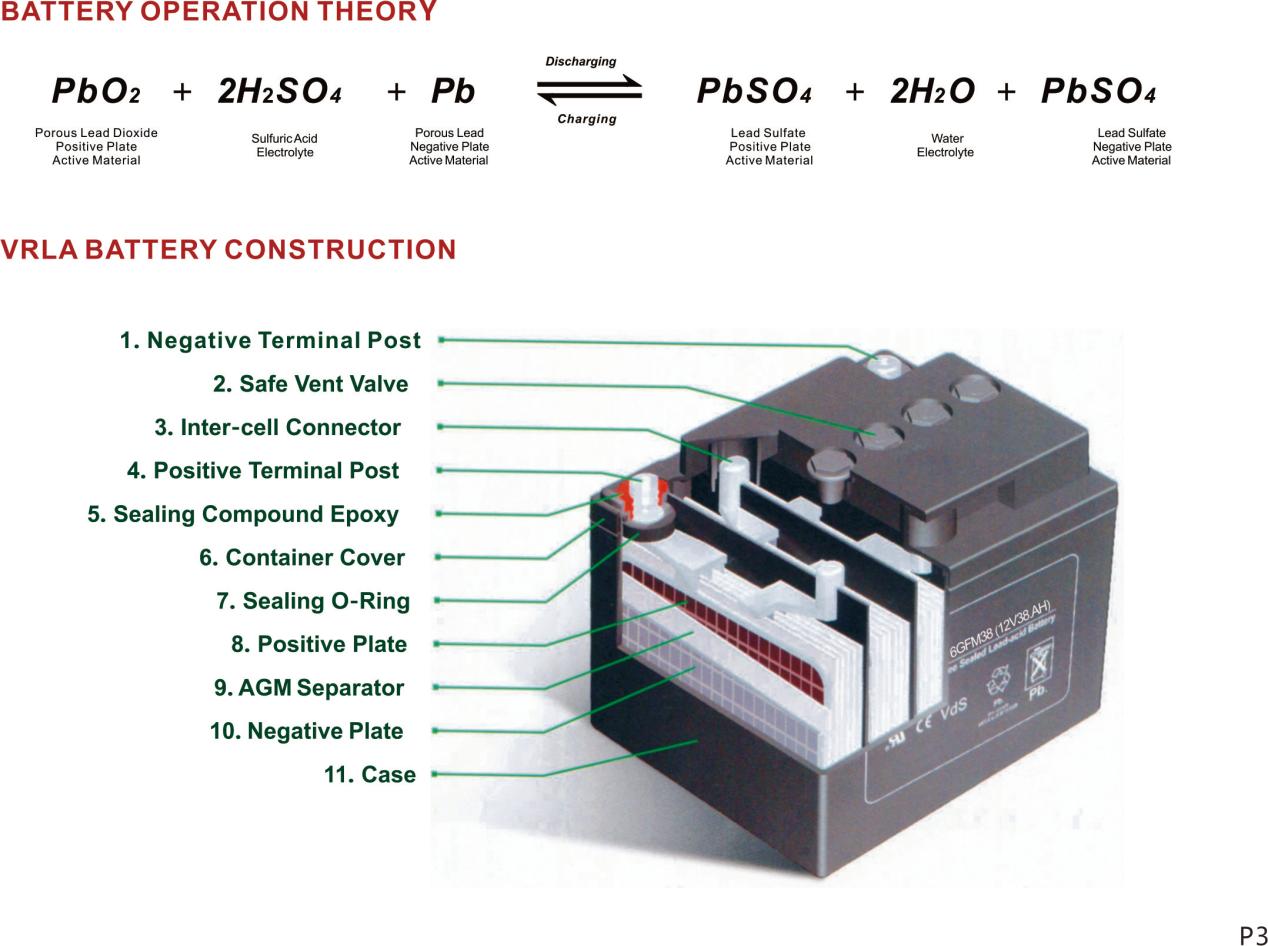
Battery chemical composition has a decisive impact on cycle life:
AGM and GEL are lead-acid systems, greatly affected by temperature and depth of discharge, with a typical lifespan of 3–7 years.
Lithium Batteries (especially LiFePO₄) have a cycle life of over 2,000 cycles, with a maximum lifespan of up to 15 years.
Application of BMS (Battery Management System): Real-time monitoring of voltage, current, and temperature effectively prevents overcharging and over-discharging, improving overall lifespan.
Tiger Head Battery's lithium solar batteries have a built-in intelligent BMS system, with a measured lifespan that is up to 30% longer than traditional systems.
Thermal Design and Housing Structure: Solar batteries using aluminum alloy housings or steel structures offer greater advantages in outdoor or high-temperature applications.
2026 Industry Technology Trends: Solid-state electrolytes, high-density electrode materials, AI management systems, and remote monitoring will be the main drivers for extending the lifespan of solar batteries.
Key Influencing Factors: Five Factors Determining Solar Battery Life
Depth of Discharge (DOD): Higher depth of discharge results in fewer cycle times.
Temperature & Humidity: High temperatures or excessive humidity accelerate battery degradation.
Charge/Discharge Efficiency: Higher conversion efficiency leads to less heat generation and greater stability.
Inverter & Controller Quality: Inferior controllers can cause overcharging or voltage instability.
Maintenance & Brand Quality: High-quality manufacturing processes (such as Tiger Head Battery) provide better sealing and equalization protection mechanisms.
Comparison of Lifespan and Applicable Scenarios for Different Types of Solar Battery
|
Solar Battery Type |
Average Lifespan |
Key Features |
Typical Applications |
|
AGM Battery |
3–5 years |
Fast response, lower price |
Small-scale solar systems |
|
GEL Battery |
5–8 years |
Better temperature tolerance |
Outdoor power devices |
|
Deep Cycle Lead-acid |
4–6 years |
Mature technology, low cost |
Off-grid or temporary setups |
|
Lithium Solar Battery |
8–15+ years |
Long cycle life, high energy density |
Residential, commercial solar use |
Different types of solar batteries inherently determine their base lifespan through their chemical systems. However, in actual use, many external factors can significantly impact their lifespan. Especially in 2026 and beyond, as the adoption of photovoltaic systems increases, users' demands for battery stability, safety, and lifespan are constantly rising.
The five factors mentioned above are widely considered key variables affecting the lifespan of lithium-ion batteries, AGM batteries, GEL batteries, and deep-cycle batteries. Understanding these factors helps in the more scientific selection and maintenance of your solar battery system, effectively improving the overall return on investment.
Solar Battery Lifespan Trend Forecast for 2026
According to data from multiple laboratories and manufacturers, 2026 will mark a significant leap in solar battery lifespan and energy efficiency, specifically manifested in:
New Material Revolution: Carbon nanostructure electrodes and solid-state electrolytes are undergoing commercial testing.
Digital Energy Efficiency Management: AI intelligently allocates current usage + IoT devices remotely monitor remaining lifespan/BMS status.
Manufacturing Brands Enter the Era of Smart Energy Storage: Tiger Head Battery is investing in research on LiFePO₄ energy storage devices supporting a lifespan of over 10 years.
How to Extend the Lifespan of Solar Battery?
To maximize the service life of your solar battery, follow these practical tips:
- Control the depth of discharge. Keep DOD < 80% (BMS automatic management is recommended for lithium batteries).
- Install a proper ventilation and temperature control design to avoid prolonged periods above 40°C.
- Regularly inspect the terminals and clean any corrosion.
- Install a high-quality controller to prevent overvoltage surges or lack of protection delays.
- Avoid mixing new and old batteries or non-original brands.
How to Determine if My Solar Battery Needs Replacement? (Practical Guide)
Even the best quality solar batteries, including lithium solar batteries and deep cycle battery types, will eventually degrade after years of use. Recognizing the signs of battery aging in time can help you avoid system failures, protect your investment, and plan for timely battery replacement.
Below is a checklist of common warning signs and their meanings.
|
Sign of Battery Aging |
Diagnosis / What It Means |
|
Voltage drops too fast |
Voltage is unstable or falls below nominal level (e.g., lithium < 3.0V) |
|
Shorter usage time |
Battery discharges quickly; backup time becomes noticeably shorter |
|
Visible swelling or leakage |
Battery casing is bulging, cracking, or leaking electrolytes |
|
Charging issue |
Takes unusually long to charge or cannot reach full charge |
|
BMS warning (LED or app) |
Battery Management System shows temperature, voltage, or cell imbalance warnings |
Tip: Tiger Head Battery recommends checking the capacity retention. If it drops below 70–80% of the original rated capacity, it may be time for a replacement.
Tiger Head Battery Recommendation: Consider replacement when the battery's current capacity is less than 70-80% of its initial value.
Safety and Maintenance Precautions
Avoid contact with metal or short circuits during installation.
Never over-discharge; recharge periodically if not used for extended periods.
For lithium solar batteries, always ensure the BMS is functioning correctly.
Keep the operating environment dry, well-ventilated, and free of corrosive gases.
FAQ
Q1: How many years can a solar battery typically be used?
Different types of batteries have lifespans ranging from 3 to 15 years, with lithium batteries having the longest and lead-acid batteries the shortest.
Q2: Solar battery AGM vs GEL, which is better?
AGM has a faster response time and is suitable for indoor use, while GEL is more heat-resistant and suitable for outdoor use; both require regular inspection.
Q3: Are Lithium solar batteries worth upgrading to?
Yes. Their lifespan, energy density, and volumetric efficiency are all superior to traditional batteries, and they will be the mainstream in the future.
Q4: How to maintain a deep cycle battery?
Control temperature/humidity, avoid complete discharge, and use a dedicated charge/discharge controller.
Q5: What are the advantages of Tiger Head Battery?
Mature technology, complete product line, supports intelligent BMS, owns its own factory, and has global certifications.
Conclusion
Solar battery lifespan varies greatly depending on type and usage environment. It is recommended to prioritize lithium solar batteries with BMS and long cycle life. Proper usage habits and regular maintenance can significantly extend the lifespan of solar batteries and enhance the system's investment value.
Tiger Head Battery, with its mature technology and intelligent development direction, is leading global residential and commercial energy storage brands towards intelligence, efficiency, and sustainability.


