
Choosing the Right Batteries for Remote Controls in 2026 (Guide)
Remote controls for televisions, air conditioners and other household devices operate with low current draw. From a technical standpoint, carbon-zinc batteries (also known as dry cells) suit these applications well because the devices need only modest power. Alkaline batteries and lithium batteries, designed for higher-current uses, can work but often deliver more capacity than necessary, which reduces overall cost efficiency for everyday remote use. Any of these chemistries function in a remote, yet carbon-zinc cells frequently provide a practical balance of performance and economy.
What Battery Does a Remote Control Use?
Most television and air-conditioner remotes rely on standard cylindrical dry cells. The common options are:
- Carbon-zinc battery
- Alkaline battery
- Lithium coin cells
The majority of TV remotes and AC remotes accept AAA or AA dry cell batteries. Compact or slim remote designs sometimes use CR2032 lithium coin cells instead. Checking the battery compartment or the device manual confirms the exact type and size required.
Understanding Battery Types for Remote Controls
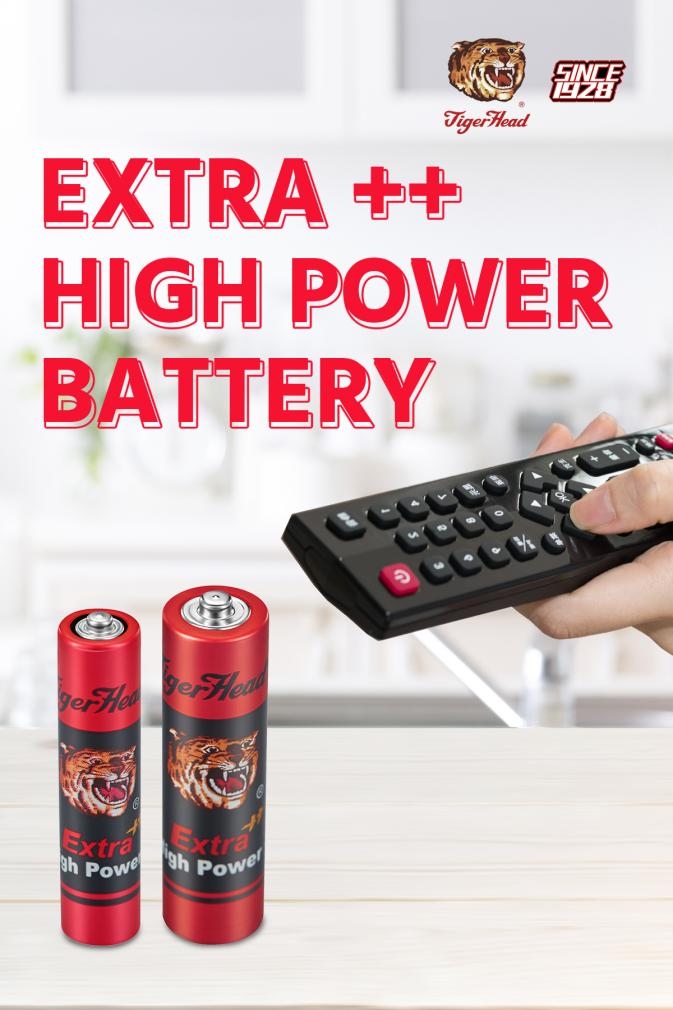
Carbon Zinc Batteries for Low-Drain Remote Applications
Remote controls draw only small amounts of current during button presses and standby. Carbon-zinc dry cells supply adequate voltage and capacity for this duty cycle. Their moderate energy density matches the low-drain requirement, which supports cost-efficient daily operation. For devices that sit unused for long periods between brief activations, carbon-zinc cells avoid over-specifying power capability.
Alkaline Batteries for Longer Runtime
Alkaline batteries offer higher energy density than carbon-zinc cells. This characteristic can extend operating time in remotes that experience frequent use. Both AA alkaline batteries and AAA alkaline batteries are widely compatible with standard remote compartments. When longer intervals between battery changes are preferred, alkaline chemistry provides a practical alternative while remaining suitable for low-to-medium drain electronics.
Lithium Batteries for Compact Electronic Devices
Lithium cells, including coin formats, deliver high energy density in a small package. They suit space-constrained devices where physical size is limited. For ordinary television or air-conditioner remotes that already accommodate AA or AAA cells, lithium power is often more capacity than the application requires. Lithium options remain available for specialized compact remotes that specify coin-cell dimensions.
Remote Control Battery Sizes and Compatibility Guide
Correct physical size and voltage ensure proper fit and function. Always verify polarity markings inside the battery compartment before insertion.
AC Remote Battery Size
Most air-conditioner remote controls accept either AAA or AA batteries, depending on the specific model. The battery compartment usually indicates the required size clearly. Confirming the ac remote battery size prevents mismatch and ensures reliable signal transmission.
TV Remote Battery Size
Television remotes commonly use one of three formats:
- AAA cylindrical cells
- AA cylindrical cells
- CR2032 coin cells
The choice depends on the remote’s internal design and power circuitry. Checking the TV remote battery size listed in the manual or molded into the compartment avoids compatibility issues.
Remote Cell Size and Battery Dimensions
Battery size determines whether a cell fits the contact points and housing. Key checks include:
- Nominal voltage (typically 1.5 V for AA/AAA dry cells or 3 V for CR2032)
- Physical length and diameter
- Correct polarity orientation
Matching remote battery size and remote cell size to the device specification maintains consistent performance and reduces the risk of poor contact.
Carbon Zinc vs Alkaline Batteries for Remote Controls
The table below summarizes technical differences relevant to remote-control use:
|
Feature |
Carbon Zinc |
Alkaline |
|
Discharge requirement |
Low current |
Medium/high current |
|
Remote control suitability |
Excellent |
Suitable |
|
Cost |
Lower |
Higher |
|
Energy density |
Moderate |
Higher |
|
Value efficiency |
High |
Depends on application |
For low-drain devices such as remote controls, carbon-zinc batteries often provide a more economical solution because the application does not require high-current output. Alkaline cells remain a viable choice when extended runtime between replacements is the priority.
How to Choose the Right Remote Control Battery Supplier?
Selecting a supplier involves evaluating product consistency and supply flexibility.
Battery Quality and Manufacturing Standards
Stable voltage output throughout the discharge curve supports reliable remote operation. Leakage resistance protects the device electronics from corrosion. Consistent production processes help maintain uniform performance across batches of high quality alkaline batteries and carbon-zinc cells.
Wholesale Remote Control Battery Supply
Wholesale arrangements typically include OEM capability, bulk-order handling and packaging customization. These options allow buyers to align battery branding and quantities with their distribution needs. Alkaline battery wholesale programs and dry-cell programs both accommodate large-volume requirements.
Working with a Remote Control Battery Manufacturer
A remote control battery manufacturer or remote control battery supplier that operates as a remote control battery factory can provide insight into production capacity and quality-control procedures. Direct discussion of manufacturing processes helps confirm that the cells meet the electrical and dimensional requirements of remote applications.
Tiger Head Battery operates production facilities equipped with automated and intelligent lines that cover carbon-zinc dry cells, alkaline batteries and related formats used in remote controls. The manufacturing process integrates raw-material handling, cell production and final assembly under one system, supported by international equipment and precision testing instruments. This structure delivers stable voltage output, resistance to leakage and consistent batch performance, which aligns with the quality and dimensional needs of AA, AAA and other remote-control cells. The same capabilities support wholesale volumes, OEM arrangements and packaging customization, allowing buyers to confirm that the cells meet the electrical and physical requirements of air-conditioner and television remotes.
How Long Do Remote Control Batteries Last?
Service life varies with several factors:
- Frequency of button presses and overall usage pattern
- Battery chemistry (carbon-zinc versus alkaline versus lithium)
- Storage temperature and humidity before installation
- Internal power consumption of the specific remote model
Low-drain operation generally allows carbon-zinc cells to deliver satisfactory service intervals under typical household conditions.
Tips for Extending Remote Control Battery Life
Simple practices help maximize usable life:
- Remove batteries if the remote will be stored unused for an extended period.
- Avoid mixing fresh cells with partially used cells or mixing different chemistries.
- Keep spare batteries in a cool, dry location away from direct heat sources.
These steps reduce self-discharge and the risk of leakage inside the device.
FAQs
Q1: Can I use alkaline batteries instead of carbon zinc batteries in a remote?
A: Yes. Alkaline batteries are electrically compatible with the same voltage and size requirements. They simply offer higher capacity, which may or may not be necessary depending on how often the remote is used.
Q2: Are AAA batteries suitable for TV remotes?
A: Many television remotes are designed for AAA cells. Confirm the size marked in the battery compartment or the product manual before purchase.
Q3: What is the difference between AA and AAA remote batteries?
A: AA cells are larger in diameter and length than AAA cells and therefore hold more active material. Both share the same 1.5 V nominal voltage. The remote’s physical design determines which size fits.
Q4: Which battery type provides good value for remote controls?
A: Carbon-zinc dry cells align well with the low-current demands of most remote controls and therefore tend to offer favorable cost-to-performance balance for this application. Alkaline cells become preferable when longer intervals between replacements are desired.
Conclusion
By matching battery chemistry and size to the actual power needs of the remote, you obtain reliable operation while avoiding unnecessary over-specification of capacity in Tiger Head Battery.


