
Alkaline Dry Cell Battery Failure Modes: Causes, Diagnosis, and Prevention
Alkaline dry cell batteries are widely used in remote controls, computer mice, keyboards, door locks, alarm systems, measuring instruments, toys, flashlights, and other portable devices. They are designed to provide reliable power in a compact format, but their performance may decline before the expected replacement time under certain operating, storage, or equipment conditions.
Common problems include electrolyte leakage, short runtime, voltage drop, intermittent operation, corrosion in the battery compartment, and reduced performance after long-term storage. Understanding battery construction and operating conditions can help buyers, equipment manufacturers, and maintenance teams identify potential root causes and take appropriate preventive measures.
How an Alkaline Dry Cell Battery Is Structured
An alkaline battery is a primary dry cell that uses zinc as the negative electrode, manganese dioxide as the positive electrode, and potassium hydroxide as the electrolyte.
A typical cylindrical alkaline battery includes a steel outer shell, a manganese dioxide-based positive electrode, a zinc-based negative electrode, a potassium hydroxide electrolyte, a separator between the positive and negative electrodes, a sealing ring, and internal current-collecting components.
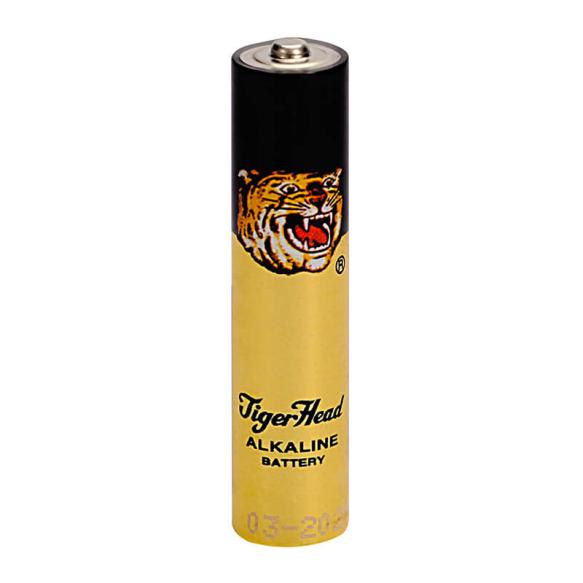
The separator keeps the positive and negative materials apart while allowing ionic conduction and the electrochemical reaction to continue. The sealing system helps contain the electrolyte and isolate the internal materials from the external environment.
This structure helps explain why different battery problems can have different causes. Leakage can be associated with zinc corrosion, internal gas generation, internal pressure, sealing performance, storage conditions, and other factors. Short runtime may be related to device load, battery size, storage conditions, battery age, or the discharge process.
Failure Mode 1: Electrolyte Leakage
Common Signs of Leakage
Users may notice electrolyte residue or white crystalline deposits around the battery, corrosion on the battery terminals, damage to the battery compartment, or deformation of the battery or surrounding components.
In some cases, a device may stop working after a battery has remained installed for an extended period.
Root Causes of Leakage
Zinc powder provides a large effective reaction area for the negative electrode, which contributes to the battery's discharge performance and capacity. However, zinc can also undergo corrosion as a result of side reactions under certain conditions.
Gas can be generated inside an alkaline battery as a result of side reactions, including zinc corrosion. If internal pressure increases beyond the tolerance of the sealing system, electrolyte may escape through a compromised sealing path.
The sealing system is therefore an important factor in leakage resistance. Potential leakage paths may be associated with capillary channels, inadequate sealing compression, inconsistent sealing materials, manufacturing variation, or mechanical damage to the battery shell.
Manufacturers commonly address these risks through improved sealing structures, controlled sealing compression, suitable sealing materials, process controls, and quality inspection before shipment.
Failure Mode 2: Short Runtime or Reduced Capacity
Device Load
Different devices draw power at different rates. A remote control or wall clock generally has different power requirements from a flashlight, camera accessory, motorized toy, or measuring instrument.
High-drain devices can consume available battery capacity more quickly, while low-drain devices may allow a battery to operate for a longer period. The same battery can therefore provide different runtimes in different devices.
Actual runtime depends on factors such as device load, discharge conditions, battery size, operating temperature, and the battery's condition.
Incorrect Battery Type or Size
Battery size and configuration should match the requirements of the device. Tiger Head Battery offers alkaline batteries in several common sizes and configurations, including AA, AAA, C, D, and 9V.
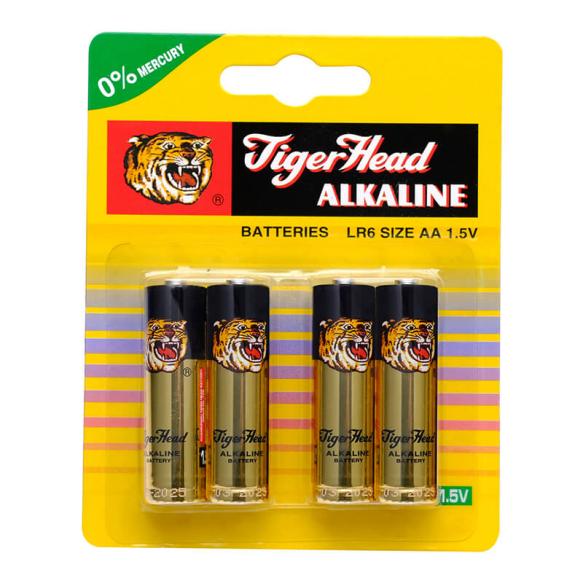
These battery sizes and configurations should not be treated as interchangeable simply because they are all alkaline or primary dry cell batteries.
Using the wrong battery type or size may result in poor contact, insufficient power, improper operation, or other equipment problems.
Failure Mode 3: Voltage Drop or Intermittent Operation
Voltage drop may cause a device to work intermittently, respond slowly, reset unexpectedly, or shut down.
Possible Causes
Common causes include a battery that is approaching the end of its discharge period, equipment with a higher load than expected, dirty or corroded battery contacts, batteries with different remaining capacities used together, an unsuitable battery type, or an electrical fault in the device.
Standard alkaline cells typically have a nominal voltage of 1.5V, while their terminal voltage changes during discharge and under different load conditions.
Devices with relatively high power requirements may experience voltage drop under load as the battery's remaining capacity decreases. Poor electrical contact can produce similar symptoms even when the battery itself still has usable capacity.
When several batteries are used in the same device, they should generally be replaced as a complete set. Mixing old and new batteries can result in different discharge states and reduce practical performance.
Failure Mode 4: Performance Loss After Storage
Alkaline batteries can lose available capacity during storage. The rate of performance loss depends on factors such as storage temperature, humidity, packaging condition, production age, and self-discharge characteristics.Tiger Head Battery's alkaline battery materials emphasize low self-discharge as one factor supporting storage performance.
Storage Conditions to Review
For inventory management, buyers should:
- Store batteries in a cool and dry environment.
- Keep the original packaging intact whenever possible.
- Avoid prolonged exposure to high temperatures.
- Prevent battery terminals from contacting metal objects or other conductive materials.
- Rotate inventory according to production date.
- Avoid storing damaged or deformed batteries together with normal inventory.
- Follow the manufacturer's recommended storage conditions and shelf-life guidance.
Proper inventory management can help maintain battery performance and reduce the risk of storage-related problems.
Failure Mode 5: Corrosion in the Battery Compartment
Battery leakage can continue to affect a device even after the battery has been removed. Electrolyte residue may corrode metal contacts and increase electrical resistance.
The result can include intermittent operation, failure to start, poor electrical contact, or permanent damage to the battery compartment.
When investigating a device failure, maintenance personnel should check both the battery and the equipment. Installing a new battery may not restore operation if the terminals have already been severely corroded or damaged.
A Practical Root Cause Checklist
|
Failure Symptom |
Possible Root Cause |
Information to Check |
|
Electrolyte leakage |
Zinc corrosion, internal pressure, sealing weakness, mechanical damage, or storage conditions |
Battery age, storage conditions, battery condition, sealing quality |
|
Short runtime |
High device load, incorrect battery type, unsuitable operating conditions, or reduced battery capacity |
Equipment demand, battery size, usage pattern, operating temperature |
|
Voltage drop / intermittent operation |
Low remaining capacity, high load, poor electrical contact, mixed battery conditions, or device fault |
Battery voltage, terminals, installation, device condition |
|
Performance loss after storage |
Self-discharge, high temperature, extended storage, or damaged packaging |
Inventory age, storage temperature, package condition |
|
Corroded battery compartment |
Previous leakage, poor storage, prolonged installation, or damaged battery contacts |
Battery surface, device contacts, storage history |
How Manufacturers Can Reduce Common Alkaline Battery Failures
Manufacturers can reduce failure risks by controlling both battery construction and the production process.
Important areas include:
- Consistent quality of zinc and manganese dioxide materials
- Appropriate separator construction
- Controlled electrolyte filling
- Reliable sealing rings and sealing structures
- Controlled sealing compression
- Suitable sealing materials designed to minimize potential leakage paths
- Consistent production processes
- Inspection and quality control before shipment
- Clear labeling of battery type, size, polarity, and recommended applications
Battery performance also depends on how the finished product is stored, transported, installed, and used. For this reason, effective quality management should extend from raw materials and manufacturing to packaging, logistics, and end-use conditions.
Conclusion
Many alkaline dry cell battery performance issues can be associated with battery construction, sealing performance, device load, battery contacts, usage conditions, battery age, or storage environment.
Leakage can be associated with zinc corrosion, internal gas generation, internal pressure, sealing performance, and other conditions. Short runtime can result from high-drain use, reduced available capacity, incorrect battery selection, or unsuitable operating conditions. Voltage drop and intermittent operation may be caused by battery discharge, high load, poor electrical contact, mixed battery conditions, or equipment-related problems. Storage-related performance loss can be influenced by self-discharge, temperature, packaging, and inventory age.
For reliable operation, users and procurement teams should match the battery size and type to the device, operate batteries under suitable load conditions, manage inventory carefully, and inspect battery compartments regularly.
Tiger Head Battery offers A+ Alkaline, Super Alkaline, and G Alkaline batteries in multiple sizes for household, commercial, and portable electronic applications. With appropriate battery selection, storage, and usage practices, users can help maintain reliable performance throughout the battery's intended service life.


