
How to Choose Lead Acid VRLA Deep Cycle Solar Batteries for Storage?
What is Lead Acid VRLA Deep Cycle Solar Batteries?
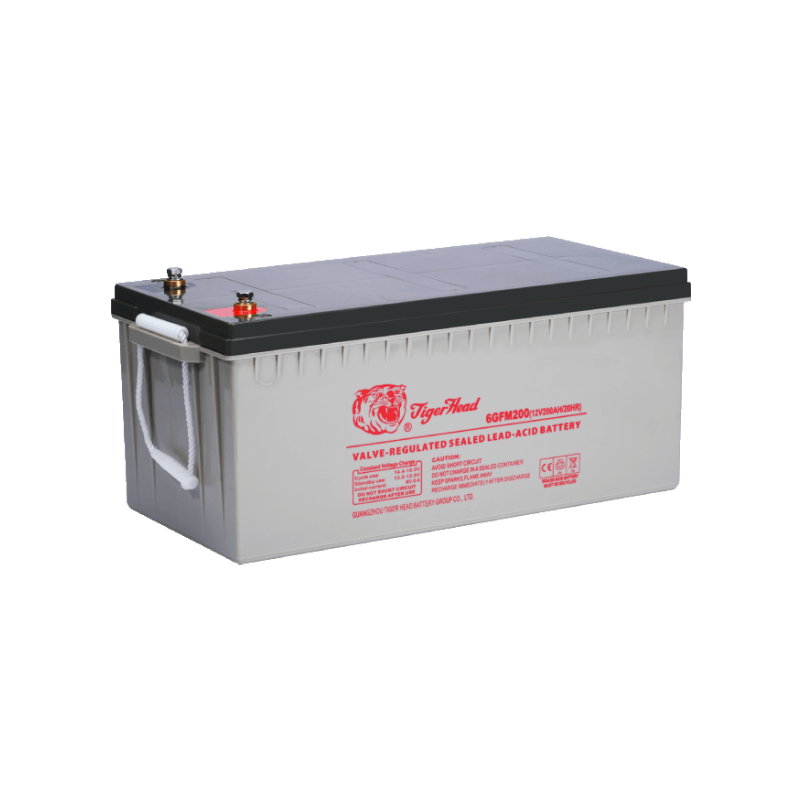
Lead Acid VRLA Deep Cycle Solar Batteries are widely used in solar storage systems for residential, commercial, and industrial applications. VRLA stands for Valve Regulated Lead Acid Battery, a sealed design that minimizes maintenance and prevents electrolyte leakage. Compared with conventional flooded lead-acid batteries, VRLA batteries are safer, easier to install, and suitable for environments where frequent monitoring is impractical.
The deep cycle solar battery design allows repeated discharge and recharge cycles, making it suitable for solar energy storage, backup power, and off-grid applications. Unlike starter batteries, which deliver short bursts of energy, deep cycle batteries provide consistent power over longer periods. Choosing lead acid solar batteries with proper deep cycle capacity ensures reliability and longevity for your solar storage system.
Understanding Solar Battery Types
When selecting a solar battery, understanding the differences between AGM and Gel battery wholesalers is essential. Both are types of VRLA batteries, but their performance and application vary.
|
Feature |
AGM Battery |
Gel Battery |
|
Electrolyte Form |
Absorbed in fiberglass mat |
Silica gel |
|
Discharge Efficiency |
Higher at high current |
Better in deep, slow discharge |
|
Operating Temperature |
Moderate |
Wider range |
|
Cycle Life |
500–1200 cycles |
600–1500 cycles |
|
Maintenance |
Low |
Very Low |
AGM batteries are suited for applications needing high current and moderate temperatures. Gel batteries, available through gel battery wholesalers, excel in deep discharge and high-temperature environments. Comparing these options is often described as solar battery AGM vs Gel, helping ensure the chosen battery aligns with your system requirements.
Key Factors to Consider When Choosing Solar Batteries
Several factors determine whether a solar battery will meet your energy storage needs:
- Battery Capacity and Power Matching
Proper sizing of a lead acid battery for solar is critical. Capacity should match daily energy consumption, measured in ampere-hours (Ah) or kilowatt-hours (kWh). Oversizing increases costs unnecessarily, while undersizing risks insufficient energy during peak demand. - Cycle Life and Depth of Discharge
Lead acid batteries for solar have a defined cycle life at a specific depth of discharge (DoD). Choosing a battery with sufficient cycles prolongs system lifespan and reduces replacement frequency. - Environmental Adaptability
Batteries must tolerate local temperature variations. Gel batteries withstand higher temperatures better, whereas AGM batteries perform reliably in moderate climates. - Safety Standards and Certification
Ensure batteries comply with international safety standards (IEC, UL, CE) to guarantee quality and operational safety. - Cost and Efficiency
Beyond initial cost, consider the total cost of ownership including maintenance and energy efficiency. Selecting batteries with better energy retention reduces overall system expenses over time. - Integration with Solar Charge Controllers
Pair solar charge controller for lead acid battery with the storage system to optimize charging cycles, prevent overcharging, and extend battery life.
Choose the Right Solar Battery Manufacturers
The solar battery market is supported by various solar battery companies that provide reliable storage solutions. Among them, Tiger Head Solar Battery is known for manufacturing high-quality lead acid solar battery products, including deep cycle variants optimized for both AGM and Gel types.
When selecting a supplier, consider:
- Production capacity and reliability
- R&D and technical support
- Warranty and service network
Choosing reputable companies ensures that your solar lead acid battery system operates efficiently over its expected lifespan.

Installation and Maintenance Considerations
Correct installation and routine care are vital for longevity and performance:
- System Layout: Ensure adequate ventilation and spacing to dissipate heat. Batteries can be connected in series or parallel depending on voltage and capacity requirements.
- Monitoring: Use monitoring tools to track voltage, temperature, and state-of-charge. This is particularly important for lead acid battery solar systems.
- Maintenance Practices: Although VRLA batteries are low-maintenance, periodic inspection of terminals and physical condition is recommended. Avoid deep discharges beyond manufacturer specifications.
Proper installation and maintenance maximize efficiency and lifespan of your lead acid solar batteries or other VRLA systems.
Market Trends and Future Outlook
The market for VRLA deep cycle batteries is evolving alongside renewable energy trends. Key developments include:
- Technological Innovation: Integration with hybrid energy storage systems and smart battery management systems (BMS) is increasing, enabling better efficiency and predictive maintenance.
- Environmental Considerations: Recycling initiatives and reduced lead content are becoming standard practice to meet regulatory and sustainability requirements.
- Global Adoption: Rising interest in off-grid and microgrid solar installations is driving demand for robust and long-lasting VRLA batteries.
These trends indicate that Lead Acid VRLA Deep Cycle Solar Batteries will remain relevant while adapting to emerging energy storage technologies.
FAQ About Lead Acid VRLA Deep Cycle Solar Batteries
Q1: Can you use lead-acid batteries for solar storage?
A: Yes. Lead Acid VRLA Deep Cycle Solar Batteries are widely used in solar storage systems. They are reliable, cost-effective, and suitable for applications requiring repeated discharge and recharge. Compared with lithium-based alternatives, they are heavier and have lower energy density, but their durability and proven performance make them a practical choice for many solar installations.
Q2: Which is better, LiFePO4 or lead-acid battery?
A: The answer depends on system needs. LiFePO4 batteries provide higher energy density, longer cycle life, and lower maintenance, but they require a higher upfront investment. Lead Acid VRLA Deep Cycle Solar Batteries are cost-effective, readily available from established solar battery companies, and suitable for large-scale solar storage. System size, budget, and environmental conditions should guide the choice.
Q3: What is the 20/80 rule for batteries?
A: The 20/80 rule advises that batteries should not be discharged below 20% state of charge to maximize lifespan. For deep cycle VRLA batteries, maintaining this practice helps prevent excessive wear and prolongs the operational life, ensuring the energy storage system remains efficient over time.
Q4: What is the 20 rule for solar panels?
A: The 20 rule for solar panels recommends that continuous loads should not exceed 20% of a panel’s rated capacity. Following this guideline helps maintain efficiency, prevent overheating, and extend the lifespan of the solar array when paired with Lead Acid VRLA Deep Cycle Solar Batteries.
Q5: Can AGM and Gel batteries be used interchangeably in a solar system?
A: While both are VRLA batteries, mixing types is not recommended. Each has distinct charging characteristics, and combining them may reduce overall system efficiency.
Q6: How do I know the right battery capacity for my solar system?
A: Calculate your average daily energy consumption and match it with the total storage capacity, considering efficiency losses and depth-of-discharge limits.
Q7: What maintenance is needed for deep cycle VRLA batteries?
A: Minimal maintenance is required, mainly periodic inspections and monitoring of voltage and temperature. Ensure connections are secure and avoid over-discharge.


